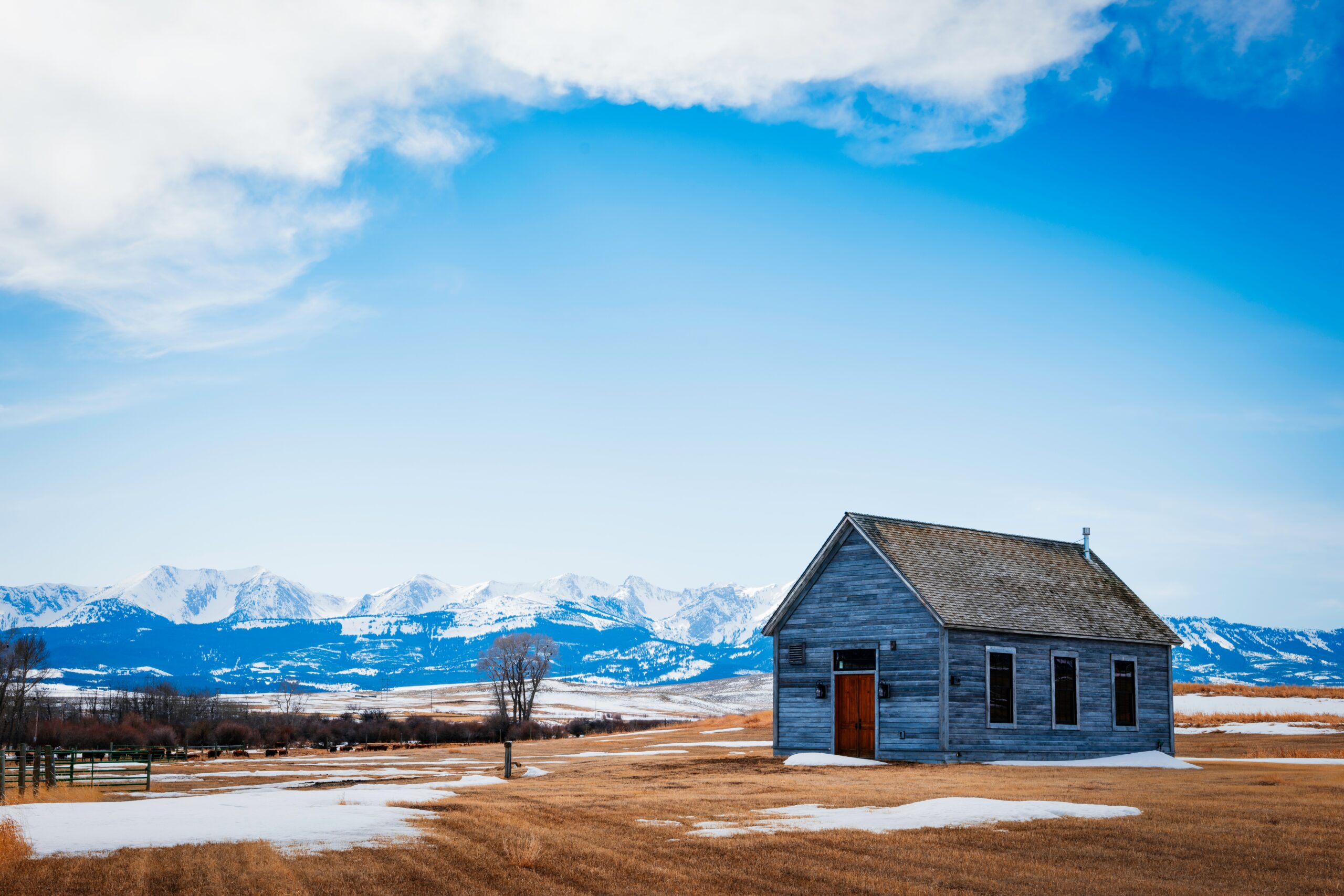
Montana’s residential real estate market offers opportunities for homeowners, buyers, and investors seeking long-term property value. From mountain communities to growing residential neighborhoods, the state attracts interest for its natural beauty, outdoor lifestyle, and diverse housing options. However, maximizing property value requires more than purchasing a home in a desirable location. Brian Heck understands the importance of studying local market conditions, evaluating property improvements, and making informed real estate decisions. With careful planning, property owners can strengthen their investments while maintaining the qualities that make Montana homes appealing.
Understanding Montana Residential Real Estate Trends
Understanding local housing trends provides a strong foundation for successful real estate decisions. Montana includes several distinct residential markets, including Bozeman, Missoula, Billings, and smaller rural communities. Each location experiences different housing demand, employment conditions, and property pricing patterns.
Therefore, buyers and investors should study recent comparable sales, available inventory, and neighborhood development before making financial commitments. Local employment opportunities, population changes, and infrastructure projects can also influence housing demand. Seasonal market activity may also affect competition for listings and buyer interest. By evaluating these factors, property owners can develop realistic expectations about potential appreciation and future resale opportunities.
Choosing Locations With Strong Property Potential
Location remains one of the most important factors influencing residential real estate value. Properties near schools, employment centers, shopping areas, healthcare facilities, and recreational destinations may attract broader buyer interest. However, the importance of these amenities varies according to individual preferences and community characteristics.
In Montana, proximity to mountain views, hiking trails, fishing areas, and open spaces can also influence property appeal. Nevertheless, buyers should consider practical factors such as road access, winter maintenance, and utility availability. Also, understanding local zoning requirements and future development plans can help you spot potential neighborhood changes. A balanced evaluation of convenience, accessibility, and lifestyle benefits supports stronger purchasing decisions.
Improving Curb Appeal to Increase Home Value
A property’s exterior creates the first impression for potential buyers. Consequently, maintaining attractive landscaping, clean walkways, and well-kept exterior surfaces can strengthen overall market appeal. Simple improvements often make a noticeable difference without requiring major renovations.
Homeowners can focus on repainting worn surfaces, repairing damaged siding, maintaining driveways, and improving outdoor lighting. Additionally, native or climate-appropriate landscaping can reduce maintenance demands while complementing Montana’s natural surroundings. Because winters can be demanding, durable exterior materials and proper drainage deserve special attention. Consistent property maintenance helps preserve structural condition and encourages greater buyer confidence.
Investing in Energy Efficiency and Home Performance
Montana’s seasonal temperature changes make energy efficiency an important consideration for residential property owners. Well-insulated homes, efficient heating systems, and properly sealed windows can improve indoor comfort while helping control utility expenses.
Homeowners should consider professional energy assessments before investing in major upgrades. These evaluations can identify areas where insulation, ventilation, or heating improvements may provide meaningful benefits. Programmable thermostats and energy-efficient appliances can also improve household energy management.
However, renovation expenses should remain proportional to the property’s market value. Comparing installation costs with expected savings and buyer preferences helps owners prioritize improvements that offer practical long-term benefits.
Planning Interior Renovations That Attract Buyers
Thoughtful interior improvements can strengthen a home’s functionality and visual appeal. Kitchens, bathrooms, living areas, and storage spaces often influence purchasing decisions because they affect daily comfort.
For example, updating outdated fixtures, improving lighting, and refreshing cabinets can modernize interiors without requiring extensive construction. Neutral finishes may also help buyers picture their own furniture and decorating preferences in the space.
Additionally, functional layouts and accessible storage can increase everyday convenience. However, expensive renovations do not always increase resale value by the same amount. Homeowners should compare remodeling costs with neighborhood expectations and recent comparable property sales before beginning large projects.
Protecting Property Value Through Regular Maintenance
Preventive maintenance plays an essential role in preserving residential real estate value. Small problems can become expensive repairs when homeowners ignore early warning signs. Therefore, regular inspections and timely improvements help reduce avoidable property damage.
Montana homeowners should pay particular attention to roofing, drainage systems, foundations, insulation, and heating equipment. Heavy snow, freezing temperatures, and seasonal moisture can create maintenance challenges depending on the property’s location and construction.
Furthermore, keeping records of inspections, repairs, and equipment replacements can support future resale discussions. Buyers often appreciate clear information about a home’s maintenance history. Consistent upkeep also helps owners protect their investment while maintaining a comfortable living environment.
Understanding Property Pricing and Market Comparisons
Accurate pricing is essential for homeowners planning to sell residential property. Setting an unrealistic asking price may discourage buyers, while pricing too low can limit potential proceeds.
A comparative market analysis helps estimate value by examining recently sold properties with similar characteristics. Important considerations include square footage, location, lot size, property condition, and available amenities.
However, homeowners should recognize that no two properties are identical. Unique architectural features, mountain views, and additional land may influence market perceptions. Working with qualified local real estate professionals can provide additional insight into current buyer expectations. As a result, sellers can establish more informed pricing strategies.
Evaluating Long-Term Investment Opportunities
Long-term residential real estate success requires careful financial planning. Property owners should evaluate acquisition expenses, mortgage obligations, property taxes, insurance premiums, and ongoing maintenance costs.
For rental properties, investors must also consider vacancy periods, property management expenses, and applicable rental regulations. Realistic cash flow estimates can also help determine whether an investment supports financial goals.
Although property appreciation may increase wealth over time, future market performance remains uncertain. Therefore, investors should avoid relying exclusively on projected price increases. A disciplined approach that considers financial reserves, property condition, and potential market changes can support more sustainable ownership decisions.
Building Long-Term Success in Montana Real Estate
Maximizing residential real estate value requires understanding local markets, making strategic property improvements, and maintaining consistent financial management. Owners who maintain their homes, evaluate buyer preferences, and monitor neighborhood conditions can make more informed decisions about renovations and resale opportunities.
Successful real estate planning also means balancing immediate expenses with long-term benefits. Location quality, energy efficiency, property maintenance, and accurate pricing all contribute to investment performance.
Montana’s varied residential communities offer opportunities for different homeownership and investment goals. However, every property requires individual evaluation and thoughtful planning. For individuals interested in Montana real estate, including Brian Heck of Bozeman, understanding these strategies can provide a practical foundation for protecting property value and making responsible long-term investment decisions.