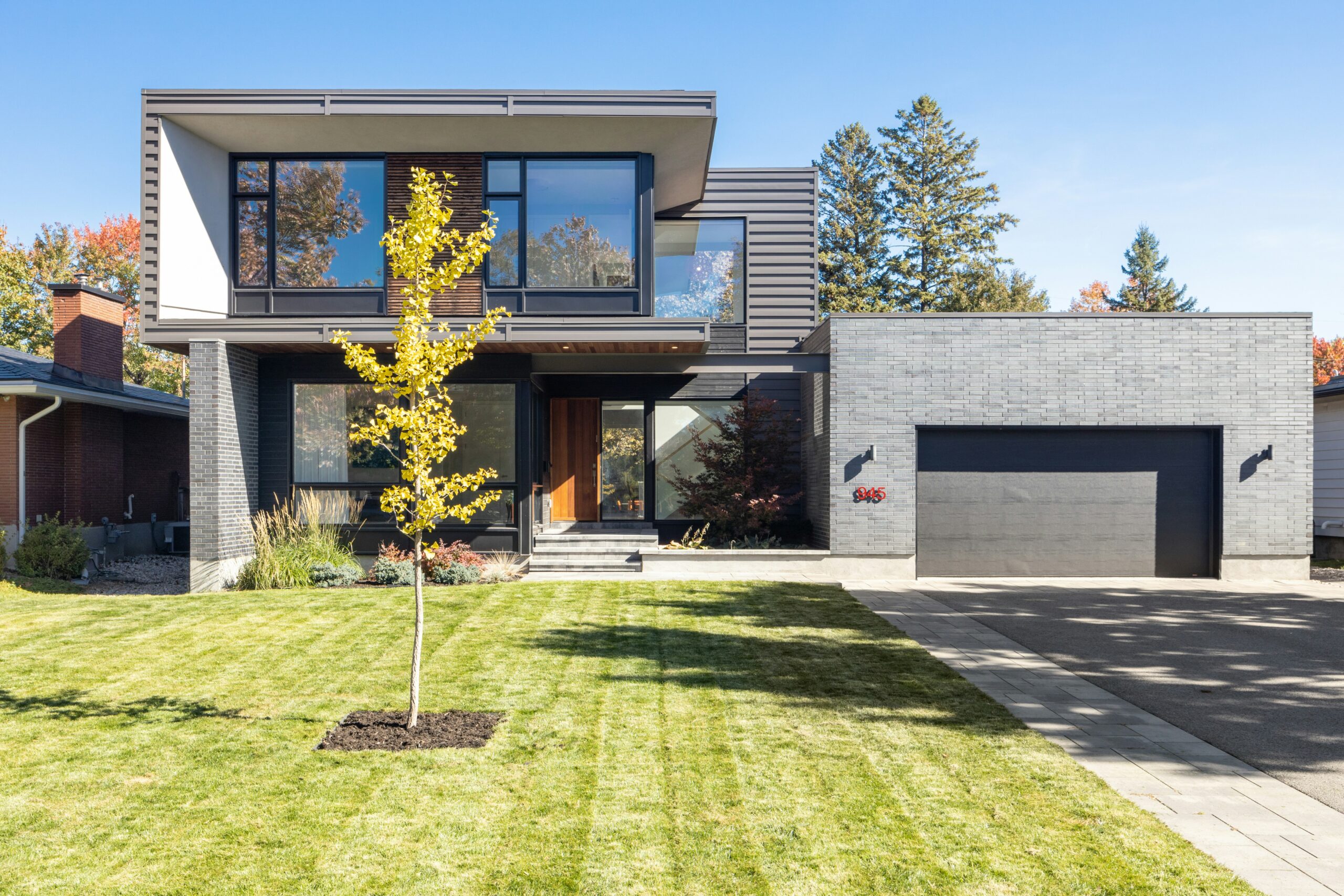
Montana residential real estate continues to attract attention from buyers, sellers, investors, and homeowners who want to make thoughtful property decisions. With scenic landscapes, growing communities, and a strong appeal for people seeking more space and a better quality of life, Montana offers many opportunities in residential real estate. However, maximizing property value requires more than simply buying or selling at the right time. Location, property condition, market trends, and long-term planning all play important roles.
Understanding Montana’s Residential Real Estate Market
The Montana housing market includes a wide range of properties, from city homes and suburban residences to rural houses and mountain properties. Each area has its own characteristics, buyer preferences, and pricing patterns. Understanding these local differences can help homeowners make better financial decisions.
Communities such as Bozeman, Missoula, Billings, and Helena have different housing demands. Properties close to employment centers, schools, outdoor recreation, shopping, and other amenities can attract strong buyer interest. Rural properties may appeal to buyers who value privacy, land, and natural surroundings.
Brian Heck explains that understanding the local market is essential when determining how to position a residential property. A homeowner who studies recent sales, buyer demand, and neighborhood conditions can make more informed choices about improvements, pricing, and timing.
Improving Property Value Through Smart Updates
Home improvements can increase a property’s appeal, but not every renovation provides the same value. Homeowners should focus on practical upgrades that improve comfort, appearance, energy efficiency, and everyday functionality.
Fresh paint, updated lighting, improved landscaping, modern flooring, and well-maintained kitchens and bathrooms can make a property more attractive to potential buyers. Energy-efficient windows, insulation, heating systems, and appliances may also improve long-term value while reducing household expenses.
Before beginning a major renovation, homeowners should consider the surrounding neighborhood. An expensive upgrade may not provide the expected return if similar homes in the area do not support a higher price. Matching improvements to local buyer expectations can help protect the investment.
The Importance of Curb Appeal
First impressions can strongly influence how buyers view a home. A clean exterior, maintained lawn, attractive entryway, and well-kept driveway can create a positive impression before buyers even enter the property.
Montana properties can benefit from landscaping that complements the natural environment. Native plants, durable outdoor materials, and simple landscaping designs can create an appealing appearance without requiring excessive maintenance.
During the selling process, professional photography and strong property presentation can also help highlight a home’s best features. Buyers often begin their search online, so attractive images and accurate descriptions can make a meaningful difference.
Choosing the Right Location
Location remains one of the most important factors affecting residential property value. Homes near desirable amenities, employment opportunities, schools, recreational areas, and transportation routes can have stronger long-term appeal.
Buyers looking at Montana properties may also consider access to hiking, skiing, fishing, parks, and other outdoor activities. Properties that provide convenient access to these features can attract buyers seeking both lifestyle benefits and long-term value.
Brian Heck of Bozeman notes that buyers often consider how a property fits into their broader lifestyle, not simply the size or appearance of the house. Understanding these priorities can help sellers highlight the features that matter most to their target audience.
Pricing a Home With Market Data
Correct pricing is essential when selling residential real estate. A price that is too high can discourage buyers and cause a property to remain on the market longer. A price that is too low may reduce the owner’s potential return.
Recent comparable sales, current competition, property condition, location, and unique features should all be considered when establishing a realistic asking price. Market conditions can change, so relying on outdated sales information may lead to an inaccurate valuation.
Working with a knowledgeable real estate professional can provide access to relevant market information and local insights. Brian Heck emphasizes the importance of using current data instead of relying only on assumptions about what a property should be worth.
Planning for Long-Term Value
Maximizing value is not always about achieving the highest possible price today. Homeowners should also think about how a property may perform over several years. Maintenance, neighborhood development, infrastructure, employment trends, and changing buyer preferences can all influence future demand.
Keeping a home well maintained can prevent small issues from becoming expensive problems. Regular inspections, timely repairs, and sensible improvements can preserve both functionality and market appeal.
For buyers, careful research before purchasing can help identify properties with strong long-term potential. For sellers, understanding what buyers value can guide improvements and marketing decisions.
Making Informed Real Estate Decisions
Montana residential real estate offers opportunities for homeowners who approach the market with realistic expectations and careful planning. Property value is influenced by many factors, including location, condition, presentation, pricing, and broader market conditions.
By focusing on useful improvements, understanding local demand, and using reliable market information, property owners can make decisions that support both immediate appeal and long-term value. Brian Heck encourages property owners to look beyond short-term trends and consider the practical factors that can influence a home’s desirability over time.